

What Is the Most Popular Combat Sport?
Combat sports always held a unique position in the cultural traditions and societies of countries all over the world. These disciplines reflect a way of life that combines mental toughness with physical discipline; they are not just about defending oneself or showing off one’s physical prowess. These sports have shown themselves to be more than merely races, from the Roman wrestling arenas of history to the contemporary combat sports events that interest people across the world. They are a way to express oneself and have a strong connection with one’s identity and community.
Combat sports have seen enormous growth and worldwide appeal in the modern period. It’s evident that combat sports have become a significant part of many people’s life given the growth of international competitions like MMA (Mixed Martial Arts) and the broad media attention they attract. However, what causes one combat sport to become the most well-known and successful? Does it stand out because of its cultural heritage? The guidelines and framework that engage fans? Or is its fame generated by the athletes’ extraordinary talent and charisma?
The Most Popular Combat Sports in the World at the Present
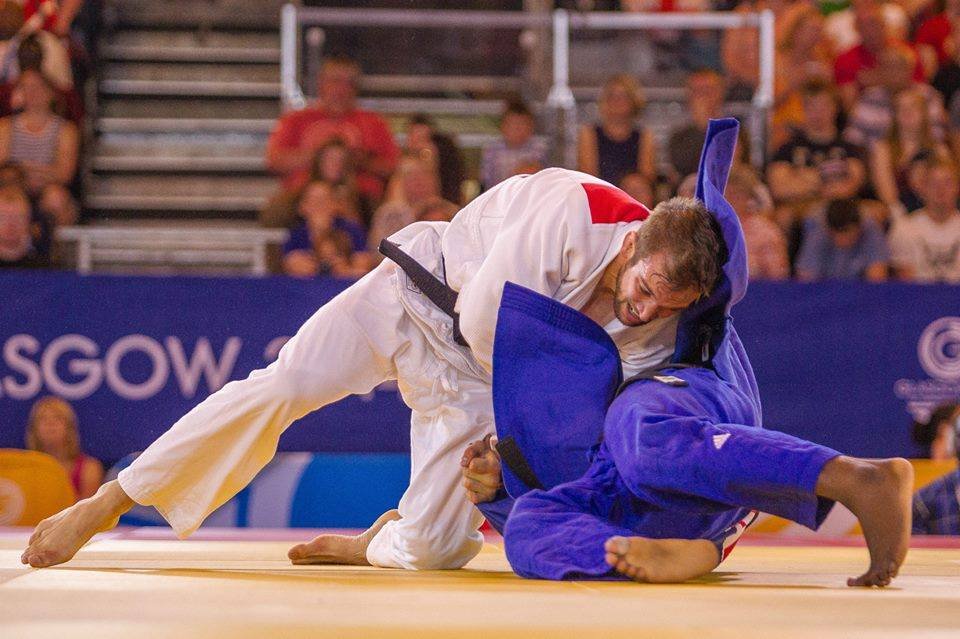
Judo
Judo is a Japanese form of fighting that focuses on throws and takedowns, defeating opponents with power, leverage, and balance. Judo is well-known for its strict rules and dual emphasis on offensive and defensive methods.
Taekwondo
Taekwondo, a Korean martial art that emphasizes quick punches and high kicks, is well-known around the world and is an official Olympic sport. It is a popular among martial arts lovers because of its explosive motions and agility-based methods.
Karate
Karate is another well-known Japanese martial art based on body control, punches, kicks, and blocks. It is well-known for its kata, which is a series of linked motions that highlight skill, discipline, and form.
Boxing
One of the oldest and most well-known combat sports in the world is boxing, also known as “the sport of kings.” It still has a broad audience and large followings thanks to its reliance on strong punches, quick movement, and defensive techniques.
Wrestling
Using fighting and takedown tactics, wrestling is a strength-based sport. Each style has its own set of rules and competitive structure, such as Greco-Roman wrestling and freestyle.
Kung Fu
The idea of mind-body harmony can be seen in this classic Chinese martial art. Kung fu is a physical discipline and a spiritual exercise because of its adaptable, dynamic, and acrobatic motions.
Jiu-Jitsu
Jiu-jitsu is a fighting sport with Japanese roots that focuses on defeat holds, blocks, and ground control. It works especially well for little fighters who defeat bigger, more powerful opponents by using technique and strength.
What Increases the Popularity of a Combat Sport?
Combat sports are becoming more and more popular due to a number of important elements. These elements include media exposure, accessibility, and cultural and social influences. What usually pushes a combat sport to international fame is as follows:
- Practice and Learning Easier
Combat sports like boxing or taekwondo that are simple to learn and don’t require costly equipment or years of expertise tend to draw more new participants and expand more quickly. - Appeal to All Ages and Genders
A larger fan base is typically attracted to sports that appeal to all age groups—children, teenagers, and adults—and support activity from both genders. - Organizational and Governmental Help
A combat sport’s popularity rises rapidly when governments and sports organizations aggressively promote it by starting clubs, holding tournaments, offering training scholarships. - Becoming Exposed to the Local Culture
Combat sports that are in line with regional customs and values are more quickly accepted. Jiu-Jitsu, for example, has gained popularity in the Gulf area. - The impact of television and film
The way martial arts, such as karate and kung fu, are shown in movies and television shows attracts younger viewers, which increases the popularity of these sports. - Amazing World Championships
Overall interest in a combat sport is increased when there are significant international competitions with broad media coverage and attractive presentations. - Improvement of Self-Defense Capabilities
Although they instill confidence, sports like Judo or Muay Thai that equip practitioners with competent self-defense techniques are popular. - Clear and Easy Rules
Boxing and other combat sports with simple rules are easier for people to follow, which makes them more interesting and spectator-friendly. - The Impact of Great Sportsmen
Legendary athletes like Khabib Nurmagomedov in mixed martial arts and Muhammad Ali in boxing inspire millions of people and help bring their sports to a worldwide audience. - Exposure to Social Media and Technology
The popularity of several combat sports has increased rapidly as a result of the widespread promotion of highlight films, lessons, and match footage on websites like YouTube, TikTok, and Instagram.
The Physical and Health Advantages of Combat Sports
Beyond only improving physical fitness, combat sports have many other health and physical advantages. They improve mental and physical health, promoting resilience, well-being, and general performance. The following are the main health benefits of participating in combat sports:
1. Better coordination and balance
High degrees of movement coordination are necessary for combat sports, which improves balance and body control, particularly in disciplines that involve kicks and throws.
2. More Flexibility
Long-term flexibility can be developed by the dynamic motions used in martial arts like karate and jiu-jitsu, which develop and stretch muscles and joints.
3. Increased Muscular Stability
By increasing the durability of muscles, intense combat training enables athletes to function for extended periods of time without experiencing weariness.
4. Improvement of heart health
Exercises that increase heart rate and improve circulation, such as boxing, help to maintain a healthy heart and circulatory system.
5. Quicker Reaction Time and Reflexes
Reflexes are improved by practicing quick strikes and defensive actions which may help in both everyday life and critical situations.
6. Better Density of Bone
Combat training’s physical strain increases bone density and strengthens bones, lowering the chance of osteoporosis.
7. Burning Fat and Losing Weight
Combat sports are good for increasing metabolism and burning calories since they incorporate both anaerobic and aerobic activities.
8. Improved Respiratory Performance
Training increases oxygen efficiency and lung capacity, promoting respiratory health in general.
9. Stress Reduction and Mental Health
Combat sports encourage the release of endorphins, which lower stress and anxiety and improve mental health.
10. Development of Self-Discipline
Regular training improves both personal and professional lives by requiring effort and self-control.
11. A more powerful immune system
Regular movement increases immune cell activity and circulation, which strengthens the body’s defenses against disease.
12. Better Quality Sleep
Training’s physical demands help people relax and encourage deeper, more peaceful sleeping.
13. Increased Self-Belief
Confidence and mental toughness are increased by mastering self-defense skills and beating challenges in life.
14. Improved Brain and Physical Intelligence
During fighting, strategic thinking and quick decision-making improve critical thinking and physical intelligence.
Combat Sports’ Effects on Youth and Society
Youth and society gain greatly from combat sports, which have a wide-ranging social and cultural impact in addition to personal advantages. The following results from Riyadh Combat Club clearly show these effects:
1. Developing the Character of Youth
teaches basic values including resilience, self-control, and attention.
promotes accountability in actions and choices.
2. Reducing Anger and Violence
Combat sports provide a disciplined, polite, and healthy way to release the stored energy.
aids youth in managing their emotions and using force only when required.
3. Enhancing relationships
Mutual respect and close friendships are encouraged by group training.
Clubs and martial arts facilities offer a positive, secure environment that keeps young people involved and away from harmful influences or social exclusion.
4. Encouraging the Integration of Cultures
Collaboration between people from different backgrounds is encouraged by combat sports.
This creates better respect for others and cultural understanding.
5. Improving Social and Mental Well-Being
By increasing confidence and a sense of accomplishment, participation reduces psychological problems like depression and anxiety.
elevates mood and guides young people’s energies toward positive goals.
6. Avoiding Dangerous Behavior
serves as a useful substitute for bad habits like drug or alcohol abuse.
instills moral principles that avoid careless actions.
7. Promoting a Sense of Community
Youth who participate in local competitions and activities feel proud and like they belong.
Local athletes’ successes serve as an inspiration to others and raise awareness of combat sports in the community.
8. Establishing Career Paths
As athletes, coaches, or mentors, combat sports provide pathways to professional achievement and recognition.
Encourage the development of a new generation of sports ambassadors who can speak for their communities internationally.
9. Fostering a Peaceful and Respectful Culture
teaches the concept of fair competition and respect for colleagues.
improves how people interact with one another in society by reinforcing the values of collaboration and tolerance.
10. Enhancing connections with family
Through encouragement and shared activities, families’ connections are strengthened when they support their children’s participation in combat sports.
11. Promoting National Fundamentals
Young combat sports winners serve as symbols of pride for their country, creating social bonds and community.
How to Find Your Favorite Combat Sport
The best combat sport for you depends on a number of factors, such as your health, fitness objectives, and personal preferences. The following important details will assist you in making an informed choice:
1. Identify Your Primary Objective
Think about martial arts like karate or jiu-jitsu if your main objective is self-defense.
Boxing could be the best option if you want to increase your level of fitness and burn calories.
Kung Fu could be a good way to improve mental clarity and flexibility.
2. Review Your Health and Physical Situation
Low-impact activities like Tai Chi or Aikido are safer choices if you have a history of injuries or joint problems.
Judo or mixed martial arts (MMA) may be the ideal high-intensity challenge for you if you are in good health.
3. Preference for Group vs. Solo Training
Choose sports like wrestling or jiu-jitsu if you appreciate working out in groups and interacting with others.
Taekwondo or Karate might be better options for people who like practicing alone.
4. Training Time Commitment
Certain combat sports, like Judo or Kung Fu, take longer to learn the basics.
Boxing is a useful and entertaining choice if you’re searching for a sport with a faster learning curve.
5. Training Availability and Location
Verify whether there are any martial arts clubs or training facilities in your area.
Certain sports, such as MMA or Jiu-Jitsu, could only be available in a few towns or regions.
6. Mental and Psychological Involvement
Sports like Aikido or Kung Fu may be quite helpful if you want to improve your mental concentration and stress management.
Jiu-Jitsu is a great option for anyone who are interested in strategic planning and tactical thinking.
Things to look for from a comprehensive mixed martial arts program in MMA training classes
By fusing several fighting techniques, MMA (Mixed Martial Arts) training programs aim to build a broad range of combat skills. These workshops cover the following essential class categories and are appropriate for all skill levels, from beginner to experts:
1. Classes on Strength and Endurance
Increase muscle strength using plyometric workouts, weightlifting, and resistance training.
Cardio exercises like cycling, jogging, and jump rope drills will help you increase your stamina.
2. Forces That Strike
Learn how to kick and punch using karate, Muay Thai, and boxing methods.
To improve your hitting power and accuracy, practice on heavy bags and pads.
3. Classes in Wrestling
Learn grappling skills such as grips, clinches, and takedowns.
During ground meets, pay attention to your body control and balance.
4. Classes on Self-Defense
Develop your defenses against typical assaults, such as grabs and blows.
Learn efficient counters and escape routes.
5. Classes in Ground Combat
Learn about submissions, locks, and chokes in Brazilian Jiu-Jitsu (BJJ).
a focus on both offensive and defensive tactics in ground fighting.
6. Sessions on Strategy and Tactics
To create a combat strategy, review the advantages and disadvantages of your opponent.
During a battle, learn how to effectively control time and energy strikes.
7. Classes for Fighting Simulation
Use the skills you’ve learnt in practical combat sessions with a partner.
To guarantee safety when training in real-world situations, use protective gear.
8. Distance Control and Footwork
To successfully combat or avoid an opponent, increase your mobility and agility.
To manage space and reduce your risk of being erupted, learn distance management.
9. Classes on Mental Conditioning
Improve your ability to concentrate and make decisions quickly under stress.
Develop your self-confidence and mental toughness for competition and everyday life.
10. Training for Recuperation and Flexibility
Stretching and relaxation exercises can help you become more flexible and prevent injuries.
Take part in post-workout healing sessions that incorporate yoga and breathing techniques.
11. MMA Programs for Children and Youth
programs that are specifically created using age-appropriate drills and approaches.
Prioritize developing self-esteem, self-control, and physical growth in a secure setting.